
The latest season of The Grand Tour takes viewers from Singapore through Peninsular Malaysia, offering prospective residents an entertaining glimpse of the country’s roads, cities, landscapes and distinctive way of life. Although the programme is primarily about cars and entertainment, the journey also provides an appealing introduction to a country that increasing numbers of international residents are choosing to make their second home.
The new season features James Engelsman, Thomas Holland and Francis Bourgeois, who have taken over from Jeremy Clarkson, Richard Hammond and James May. In the second episode, the presenters begin in Singapore before crossing into Malaysia in three ageing sports cars purchased in the UK for approximately £5,000 each.
The premise is to discover whether relatively inexpensive older performance cars can survive, and still be enjoyable, during a journey of several hundred kilometres. Along the way, however, the programme becomes an unexpected showcase for Malaysia.
There was little publicity while the programme was being filmed, and the precise filming dates do not appear to have been announced. What is clear is that the production team travelled extensively through Peninsular Malaysia, capturing several aspects of the country that help explain its appeal to foreign residents.
A striking contrast after crossing the Causeway
The journey begins in Singapore, which is presented as modern, meticulously organised and well developed. Its exceptionally high motoring costs quickly become part of the story, with the presenters commenting on how much more expensive cars are there than in the UK. Singapore’s extensive rules and tightly controlled urban environment also feature in their observations.
Once the presenters cross the Causeway into Malaysia, the character of the journey changes noticeably. There is a greater sense of space and freedom, and the presenters repeatedly comment favourably on the roads. They increasingly appear to enjoy the journey itself, rather than simply treating the road as a way to reach the next destination. This contrast illustrates one of Malaysia’s major lifestyle advantages. Residents can enjoy the facilities and conveniences of a modern Asian country while remaining within relatively easy reach of beaches, rainforests, historic towns, islands and cool highland retreats.
For people considering Malaysia My Second Home, this accessibility can be particularly attractive. Malaysia is not simply somewhere to own a home and spend part of the year. It is a country that invites exploration, with considerable geographical and cultural variety within manageable travelling distances.
An unexpected showcase for Malaysian car culture
The programme also highlights something rarely featured in conventional tourism campaigns: Malaysia’s surprisingly diverse car culture. The presenters encounter modified Protons and other locally customised vehicles before heading towards Kuala Lumpur after learning about the Malaysian drifting scene. They subsequently visit a car park where local enthusiasts demonstrate their skills.
Malaysia has a substantial motoring community, ranging from carefully preserved classic cars to heavily modified Malaysian and imported models. The country also has one of Southeast Asia’s more developed road networks, making driving a practical way for residents to explore the peninsula. A car is not essential for everyone living in central Kuala Lumpur, particularly with the expansion of the city’s rail network and the widespread availability of e-hailing services. However, many longer-term residents appreciate the flexibility that owning a vehicle provides.
From Kuala Lumpur, destinations such as Melaka, Ipoh, Penang, the Cameron Highlands and the east coast can be reached using an extensive network of generally good highways. Weekend trips can therefore become a normal part of life rather than an occasional major undertaking.
Kuala Lumpur as a base for life in Malaysia
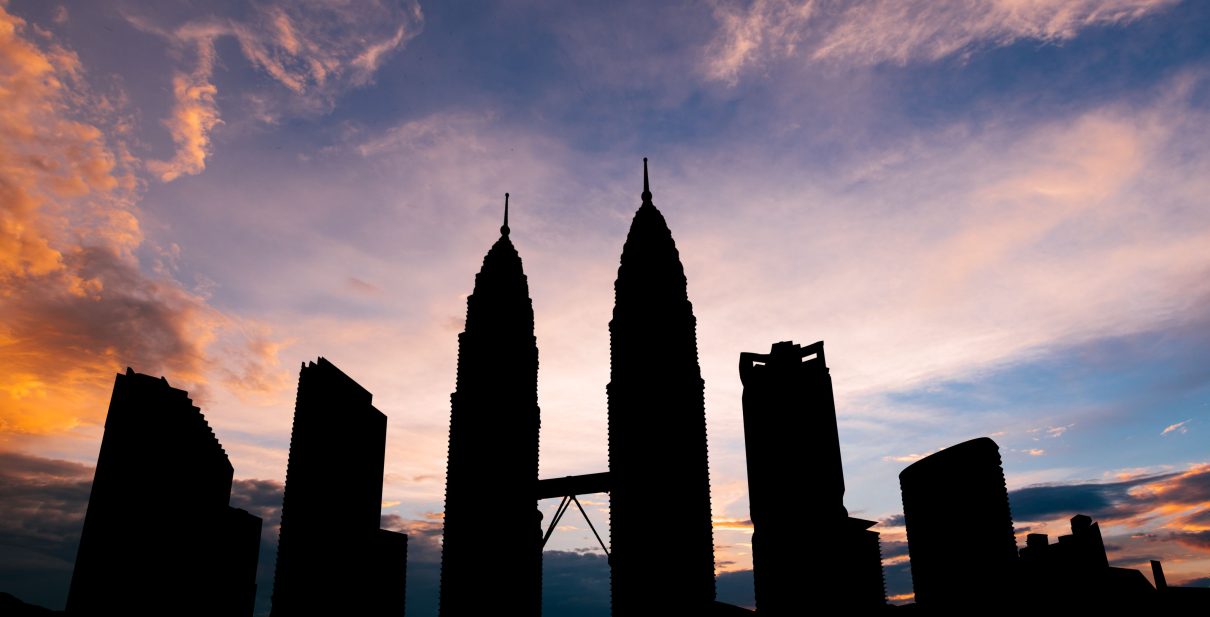
Kuala Lumpur receives particularly favourable coverage during the episode. The Malaysian capital is sometimes underappreciated internationally, especially when compared with better-publicised regional cities, but it offers a strong combination of convenience, comfort and value. The city has excellent restaurants, extensive shopping, established international schools and high-quality private healthcare. It also offers a wide selection of residential options, from modern city-centre condominiums to larger homes in quieter, greener neighbourhoods.
English is widely spoken, which makes many aspects of daily life easier for new arrivals. Malaysia’s multicultural population is also reflected in its food, festivals, places of worship and everyday social life. Kuala Lumpur’s location is another important advantage. It offers good domestic and international air connections and serves as a practical base for exploring Malaysia and the wider Southeast Asian region.
For prospective MM2H participants, the city can provide many of the services and comforts expected of a major international capital without the same level of living costs found in Singapore, Hong Kong or several other leading Asian cities.
A realistic rather than promotional view
The episode is not an advertisement for Malaysia, which arguably makes its positive impressions more persuasive. The presenters stop at Forest City in Johor, where the enormous scale of the development is contrasted with its relatively low occupancy. Its unusually quiet roads and surroundings are then used for one of the programme’s driving challenges. It reminds viewers that Malaysia, like every country, contains places and developments with very different characteristics. Anyone considering relocating under MM2H should visit personally, explore several possible locations and obtain independent advice before purchasing a home.
The best place to live will depend on individual priorities. Some applicants may prefer the facilities and international connections of Greater Kuala Lumpur. Others may be attracted to Penang’s heritage and food culture, Johor’s proximity to Singapore, or the quieter pace available in smaller Malaysian cities and coastal areas.
Malaysia saves one of its best views until last
The programme’s final destination is the Cameron Highlands. As the presenters climb into the hills, the landscape changes dramatically from tropical lowlands and urban highways to cool, green mountain scenery. They encounter the area’s famous old Land Rovers, many of which have spent decades working on farms and tea plantations, before continuing into the surrounding hills.The Cameron Highlands receive particularly positive coverage, with the presenters suggesting that Malaysia has saved the best part of the journey until last. The area’s climate, winding roads, tea estates and forested slopes provide a memorable conclusion to the episode.
Within a single road trip, viewers are introduced to Johor, Malaysia’s highway network, local motoring culture, Kuala Lumpur and the green hills of the Cameron Highlands.
More than a holiday destination
For prospective MM2H applicants, the episode provides a glimpse of Malaysia not only as a holiday destination, but as a country in which it is possible to build an enjoyable and varied lifestyle. Malaysia offers a relatively high standard of living, widespread use of English, good private healthcare, established international schools and excellent regional connectivity. Residents can also enjoy an exceptional variety of cuisines, a warm climate and considerably more living space than is generally available in many of Asia’s major cities.
The Malaysia My Second Home programme allows eligible foreign nationals to obtain a renewable long-term social visit pass with multiple-entry privileges. The current federal programme includes the Silver, Gold and Platinum categories, together with a separate Special Economic Zone/Special Financial Zone category. Each category has different financial, property, age, participation-fee and pass-duration requirements. Prospective applicants should therefore consider which route best suits their finances, family circumstances and intended lifestyle before proceeding.
Applications must be submitted through an MM2H company licensed by Malaysia’s Ministry of Tourism, Arts and Culture. As regulations and administrative requirements can be updated, applicants should also obtain current advice before making financial commitments or purchasing property. Singapore remains one of Asia’s foremost commercial and international centres, but Malaysia offers something different alongside it: more space, remarkable geographical variety, a lower cost of living and, for those who qualify, an opportunity to establish a renewable long-term base in the country.
The latest episode of The Grand Tour may have been created as entertainment, but it also succeeds in showing international viewers why Malaysia can be such an attractive place to explore, live and ultimately call a second home.
Would you like to explore your eligibility for Malaysia My Second Home? Contact the MM2H.com team for an initial consultation and guidance on the current Silver, Gold, Platinum and SEZ/SFZ categories.